

Southeast Edmonton covers more ground, and more housing history, than many buyers expect. It stretches from established neighbourhoods near central Edmonton and the river valley, through Mill Woods, into the newer communities of The Meadows and the growing south end near Ellerslie and Anthony Henday Drive. Within that larger region are four distinct housing markets: Central Southeast Edmonton, Mill Woods, The Meadows, and South Southeast.
A buyer comparing a character home in Bonnie Doon with a newer two-storey in Summerside is not really comparing two versions of the same market. They are comparing different eras of Edmonton, different commuting patterns, different neighbourhood designs, and different housing styles. Understanding those differences before you begin touring homes can make the search much more focused.
Understanding Southeast Edmonton
Southeast Edmonton was not built in one era, and it does not behave like one market. Central Southeast includes many of the area's older communities, with original homes, renovations, and infill closer to central Edmonton and the river valley. Mill Woods grew primarily through the 1970s and 1980s into one of Edmonton's largest established suburban districts. The Meadows developed later, with much of its housing dating from the late 1990s onward. South Southeast includes communities such as Summerside, Walker, Charlesworth, Ellerslie, The Orchards, Decoteau, Meltwater, Mattson, and Alces, combining established newer neighbourhoods with some of the city's more recent growth.
Central Southeast Edmonton
Central Southeast Edmonton brings together some of the city's more established neighbourhoods, including Argyll, Bonnie Doon, Holyrood, Ritchie, Forest Heights, and King Edward Park. Housing here can range from original mid-century and earlier homes to renovated properties and newer infill, often within a more mature streetscape than you will find farther south.
This part of Southeast Edmonton also offers relatively direct access to central Edmonton, Whyte Avenue, and the river valley, although the feel can change considerably from one neighbourhood to the next.
Explore Central Southeast Edmonton
Argyll, Avonmore, Bonnie Doon, Cloverdale, Capilano, Forest Heights, Fulton Place, Gold Bar, Hazeldean, Holyrood, Idylwylde, Kenilworth, King Edward Park, Ottewell, Ritchie, Strathearn, Terrace Heights
Mill Woods
Mill Woods is one of Edmonton's largest and most established suburban areas. Much of it was developed through the 1970s and 1980s, and today it offers a broad mix of detached homes, townhouses, and condos across mature neighbourhoods such as Meyonohk, Lee Ridge, Tawa, Sakaw, Kameyosek, and Satoo.
Compared with the newer communities farther east and south, Mill Woods generally offers a more established neighbourhood environment, with mature landscaping, long-standing schools, parks, shopping, and community amenities already in place.
Bisset, Crawford Plains, Daly Grove, Ekota, Greenview, Hillview, Jackson Heights, Kameyosek, Kiniski Gardens, Lee Ridge, Menisa, Meyonohk, Meyokumin, Michaels Park, Minchau, Pollard Meadows, Richfield, Sakaw, Satoo, Tawa, Tipaskan, Tweddle Place, Weinlos
The Meadows
The Meadows developed later than most of Mill Woods and has a more contemporary suburban layout. Communities such as Silver Berry, Tamarack, Maple, Larkspur, Aster, Laurel, and Wild Rose generally offer newer housing stock, modern floor plans, and convenient access to Anthony Henday Drive.
For buyers who want a newer suburban home without moving as far south as Summerside, Walker, or The Orchards, The Meadows can offer a useful middle ground between established Mill Woods and the newer southern communities.
Aster, Larkspur, Laurel, Maple, Silver Berry, Tamarack, Wild Rose
South Southeast Edmonton
South Southeast Edmonton includes Summerside, Ellerslie, Charlesworth, Walker, The Orchards, Decoteau, Meltwater, Mattson, and Alces. This part of the city is defined largely by newer suburban development, with contemporary home designs, newer streetscapes, and convenient access to Anthony Henday Drive.
Summerside is the most established and recognizable community in this group, while Walker, Charlesworth, The Orchards, Meltwater, Mattson, Decoteau, and Alces reflect newer phases of residential growth. Buyers looking for newer construction and a more modern suburban environment often compare several of these communities together.
Explore South Southeast Edmonton
Charlesworth, Decoteau, Alces, Ellerslie, Mattson, Meltwater, Summerside, The Orchards, Walker
South East Edmonton Homes For Sale

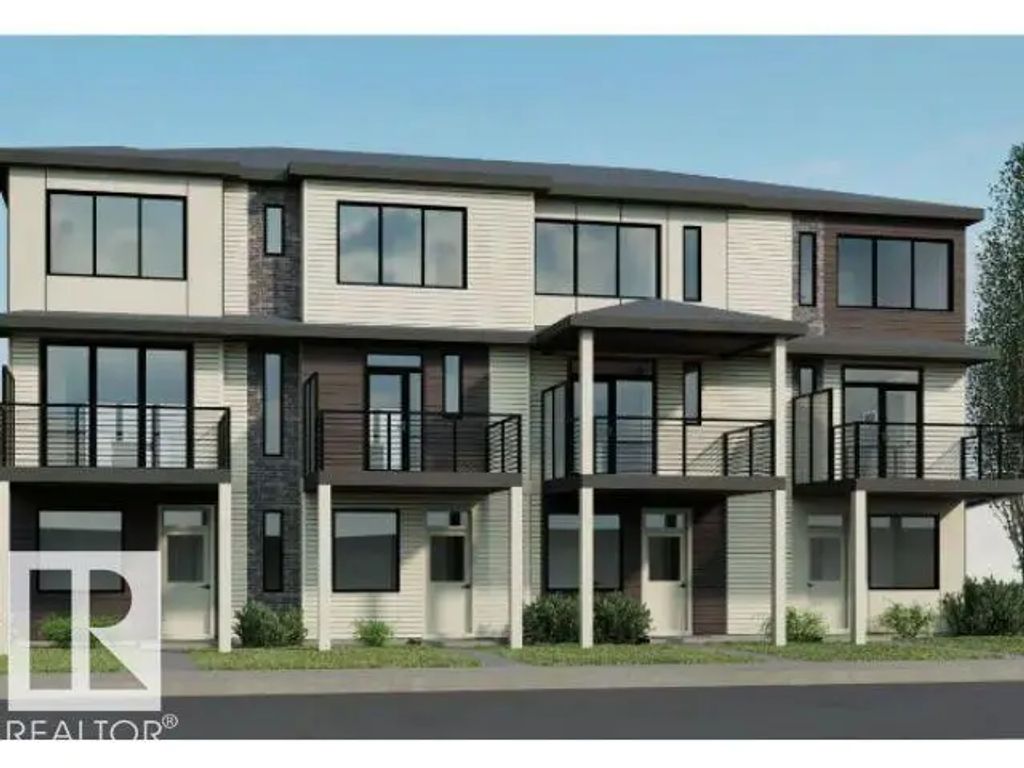
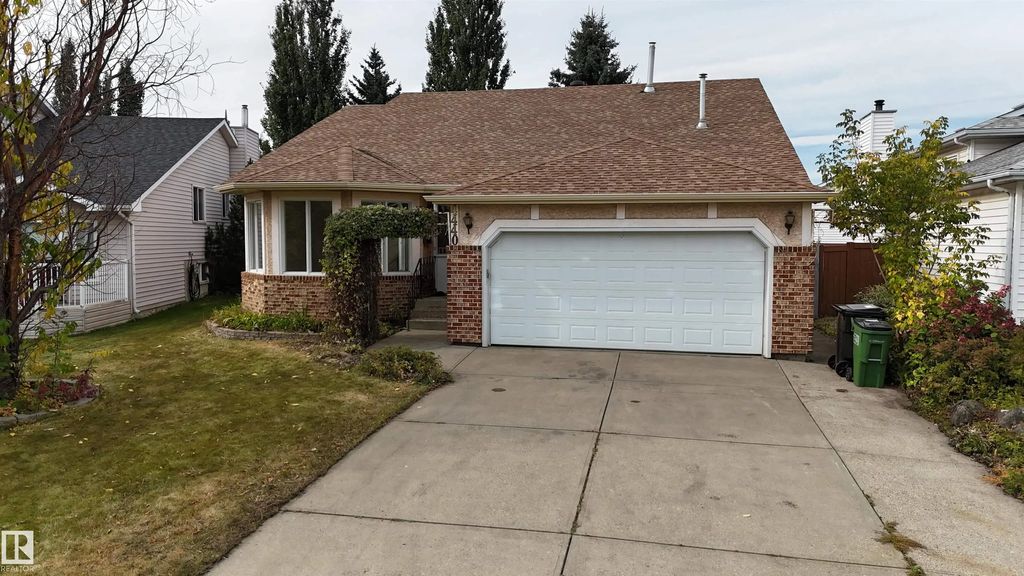
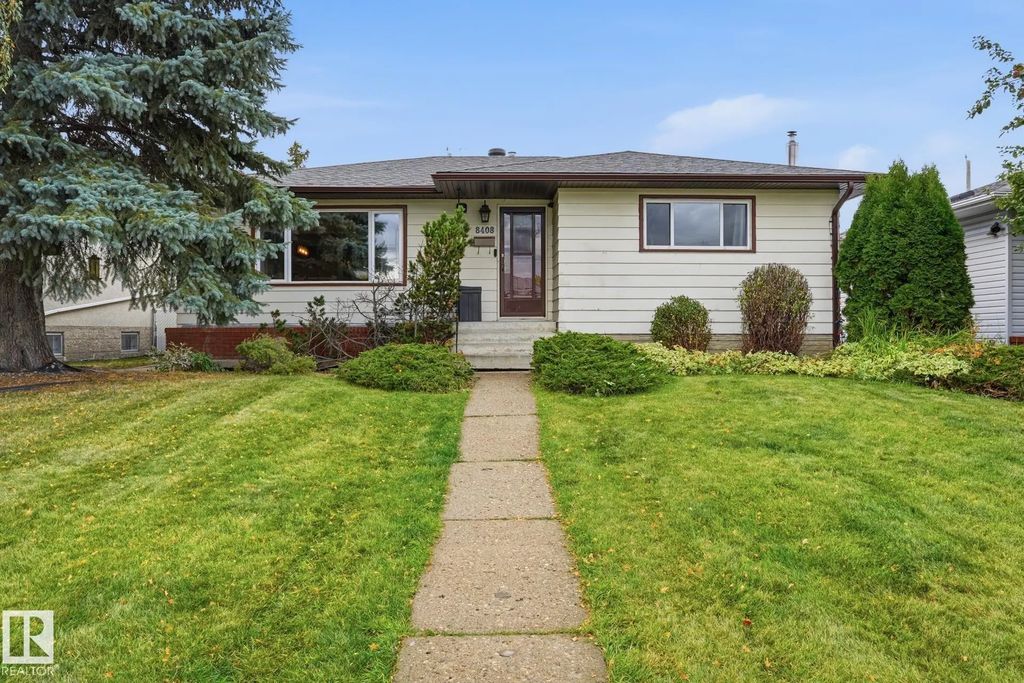
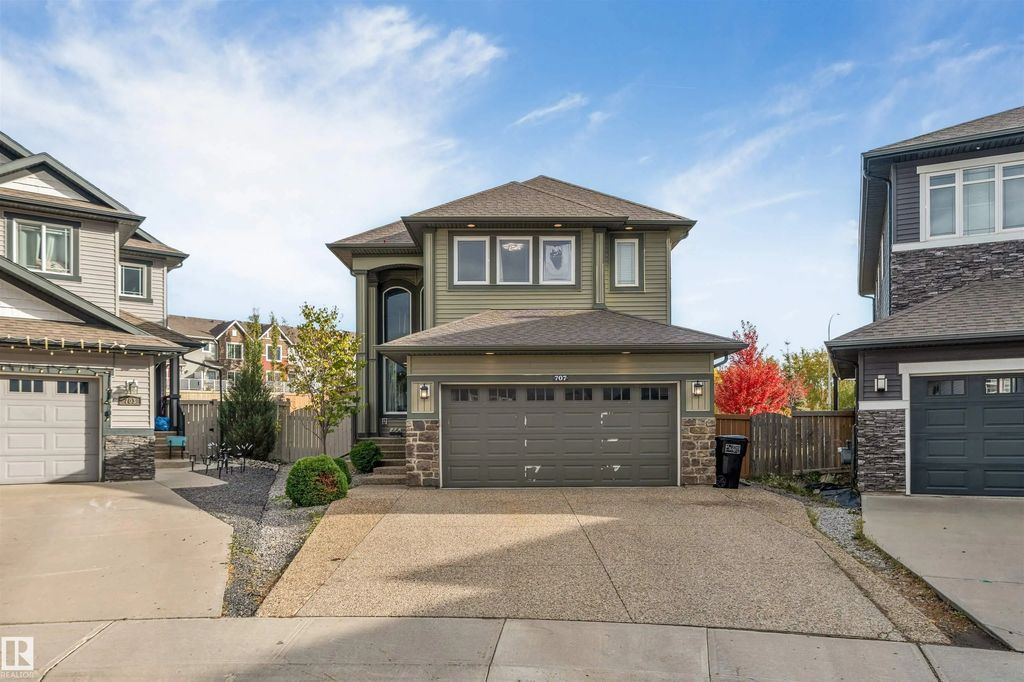
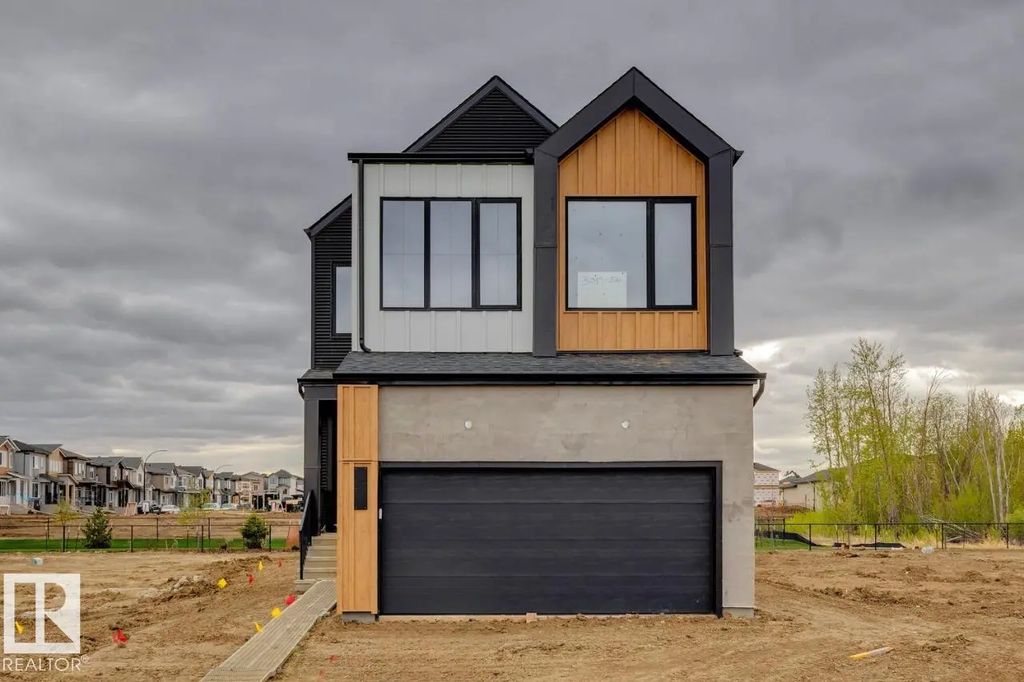
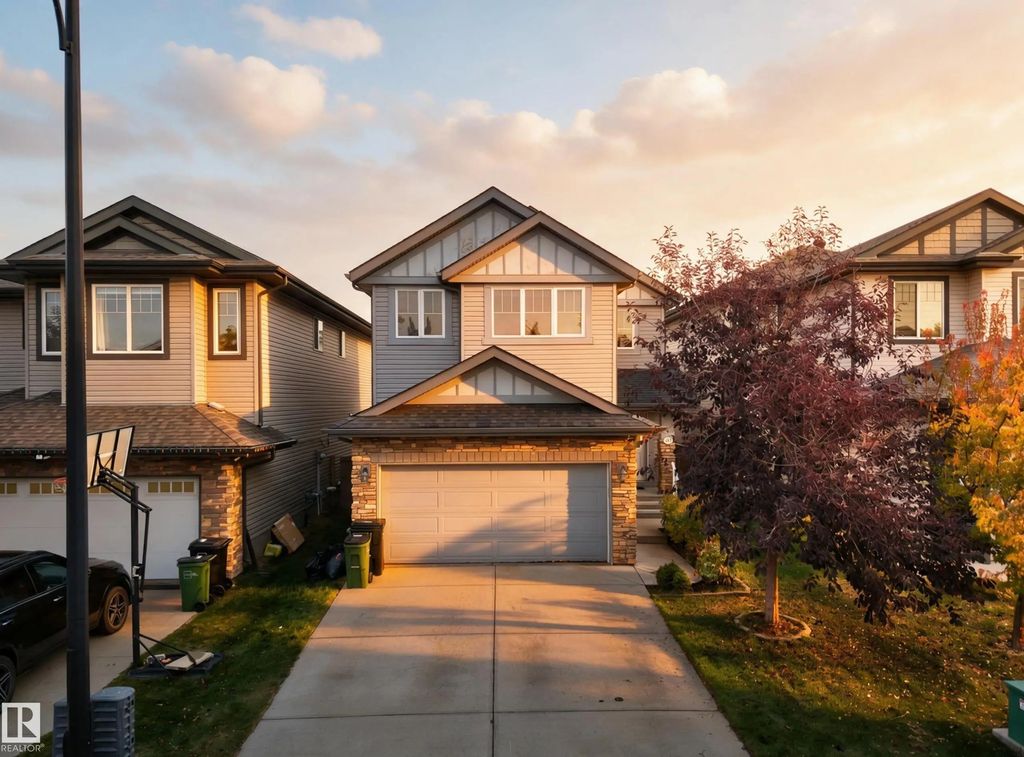
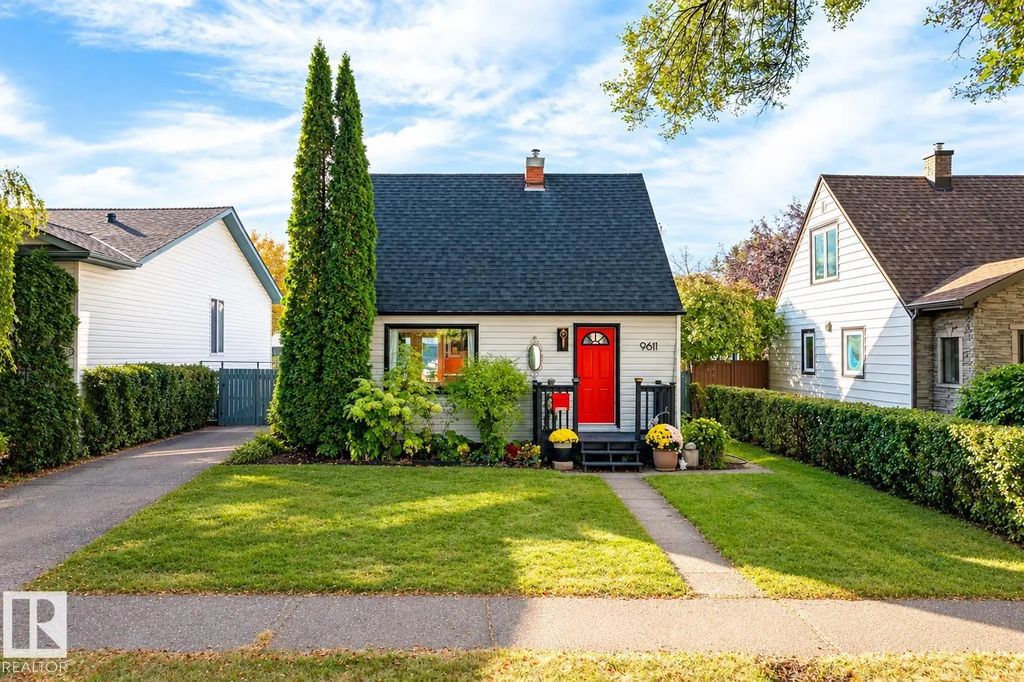
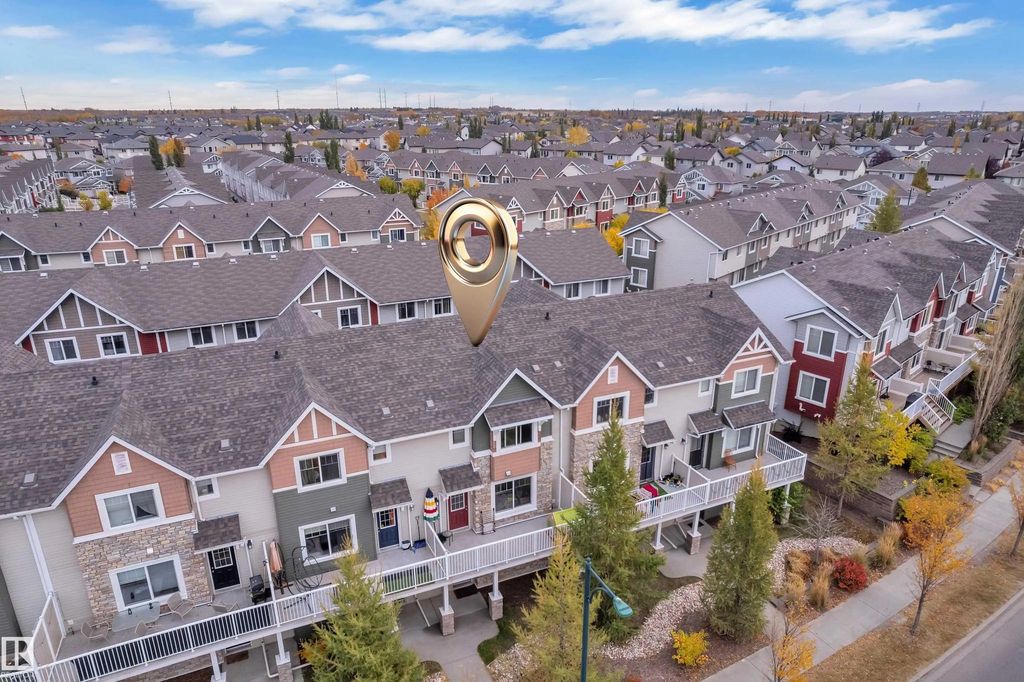
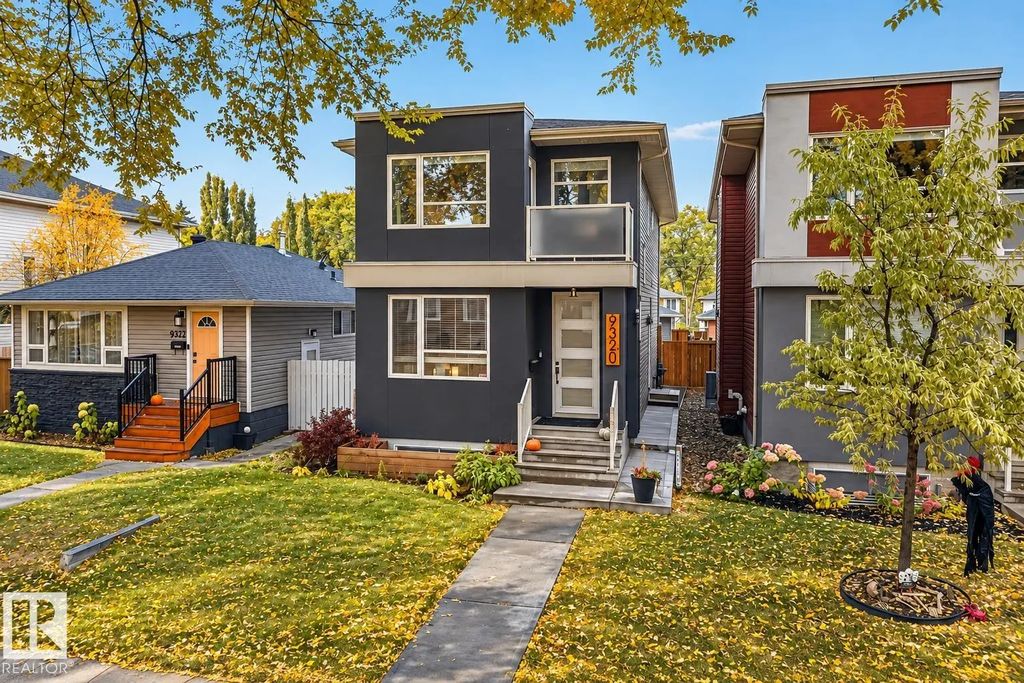
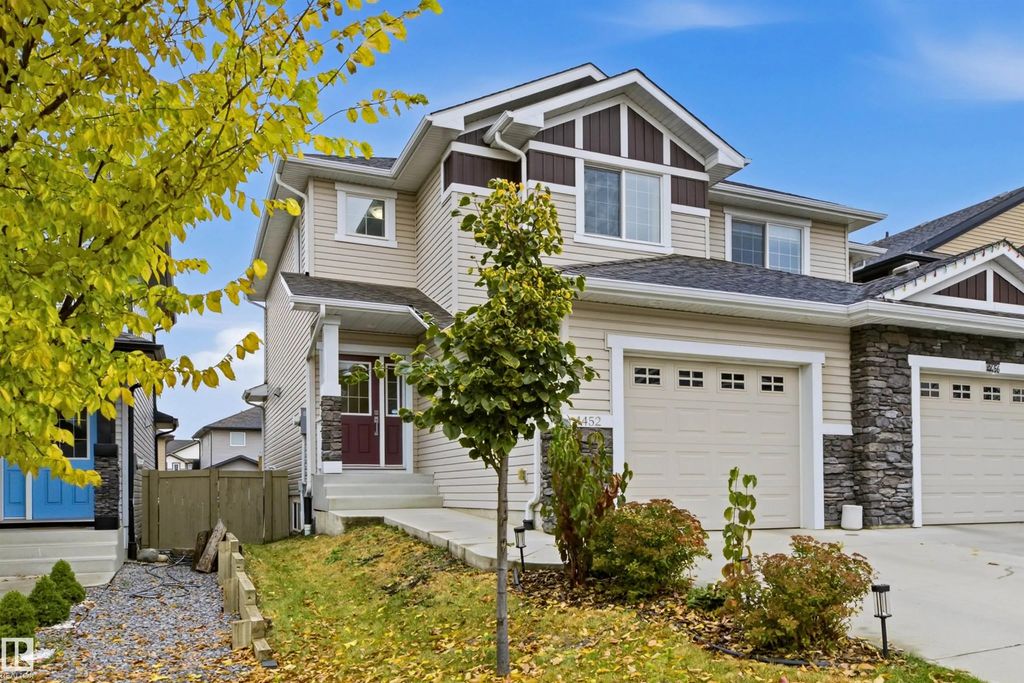
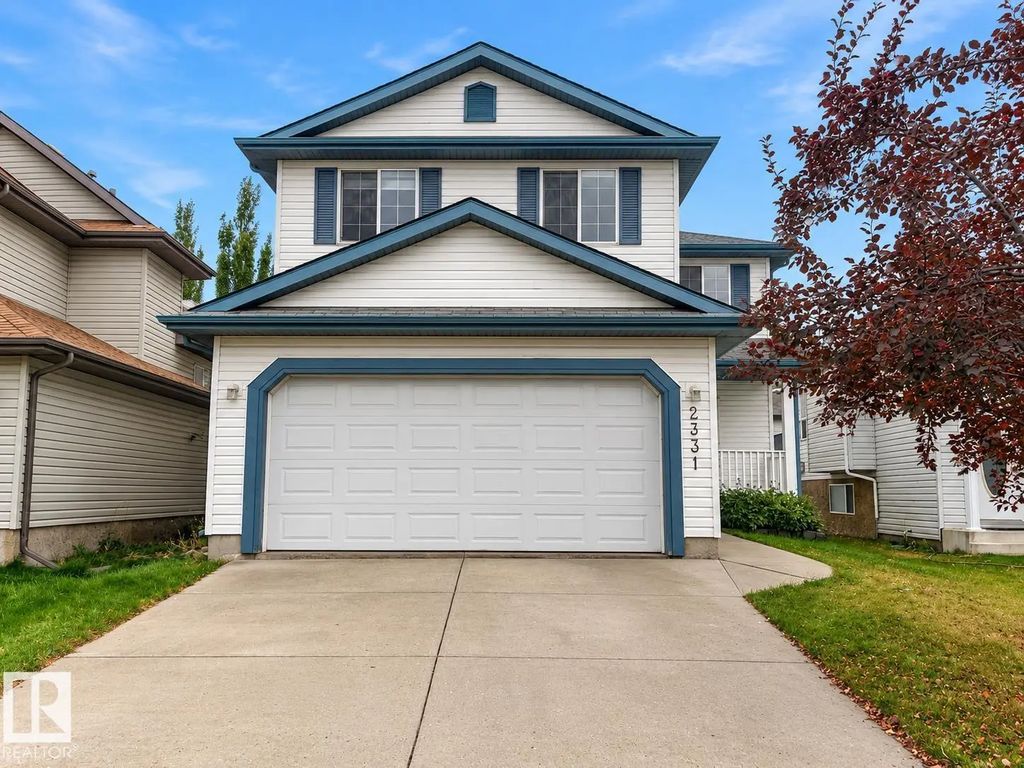
Housing Across Southeast Edmonton
The four parts of Southeast Edmonton roughly trace different periods of the city's growth, and that progression is visible in the housing.
Central Southeast offers the widest range in age and style, including older character homes, renovated properties, and newer infill. Mill Woods is dominated by housing from the 1970s and 1980s, with a broad mix of detached homes, townhouses, and condos. The Meadows generally offers newer construction and more contemporary suburban layouts. South Southeast contains some of the newest housing in the region, particularly in communities such as Walker, Charlesworth, The Orchards, Meltwater, Mattson, and Decoteau.
That means a buyer looking in Bonnie Doon or Ritchie may be weighing very different priorities from someone comparing Walker, Laurel, or Summerside. Neither is inherently better. They simply represent different types of Edmonton housing.
Getting Around Southeast Edmonton
Transportation varies considerably depending on which part of Southeast Edmonton you choose.
Anthony Henday Drive is particularly important for The Meadows and South Southeast, providing access around the city's outer ring. Whitemud Drive is a major east-west route for many communities farther north. Depending on the neighbourhood, 50 Street, 75 Street, and 91 Street provide important north-south connections, while Sherwood Park Freeway serves parts of Central Southeast and the eastern side of the city.
Communities closer to central Edmonton generally offer more direct access to downtown, Whyte Avenue, and the river valley, while communities farther south often trade that central proximity for newer housing and easier Henday access.
Who Does Southeast Edmonton Work Well For?
Southeast Edmonton covers enough different neighbourhood types that the right fit depends heavily on what you value most.
Buyers who prefer mature streets, older housing, renovations, or infill may gravitate toward Central Southeast. Those looking for an established suburban environment with a wide variety of housing types may prefer Mill Woods. The Meadows tends to appeal to buyers who want newer suburban housing while remaining somewhat closer to the established east side. South Southeast offers some of the region's newest housing and strongest access to Anthony Henday Drive.
The useful comparison is usually not simply "Which Southeast neighbourhood is best?" It is which combination of home age, location, commute, neighbourhood maturity, and housing style fits your priorities.
Southeast Edmonton FAQs
What is considered Southeast Edmonton?
For this site, Southeast Edmonton includes four broad areas: Central Southeast, Mill Woods, The Meadows, and South Southeast. Together they cover communities ranging from mature neighbourhoods near central Edmonton to newer suburban areas near Anthony Henday Drive.
What is the difference between Mill Woods and The Meadows?
Mill Woods is older and more established, with much of its housing developed in the 1970s and 1980s. The Meadows developed later and generally offers newer housing and a more contemporary suburban layout.
Which Southeast Edmonton communities have newer homes?
Newer housing is generally more common in The Meadows and South Southeast, including communities such as Tamarack, Laurel, Walker, Charlesworth, The Orchards, Summerside, Meltwater, Mattson, and Decoteau. The exact age of homes can still vary within each neighbourhood.
Which Southeast Edmonton areas are closer to central Edmonton?
Central Southeast communities such as Bonnie Doon, Ritchie, Holyrood, and Forest Heights are generally closer to downtown, Whyte Avenue, and the river valley than Mill Woods, The Meadows, or South Southeast.
How should buyers compare Southeast Edmonton neighbourhoods?
Start with the trade-offs that matter most to you: older versus newer housing, central access versus suburban location, established neighbourhoods versus newer development, and the routes you use most often. Comparing communities from two or three different Southeast areas is often more useful than treating the entire region as one market.

Start searching for your dream home now.
When it comes to convenience, our site is unparalleled. Whether you're in the comfort of your home, or on the go.
Our site works flawlessly on multiple devices so you can find the information you need.